Experiential Marketing
Experiential Marketing Ottawa: Why Live Activations Outperform Digital Spend
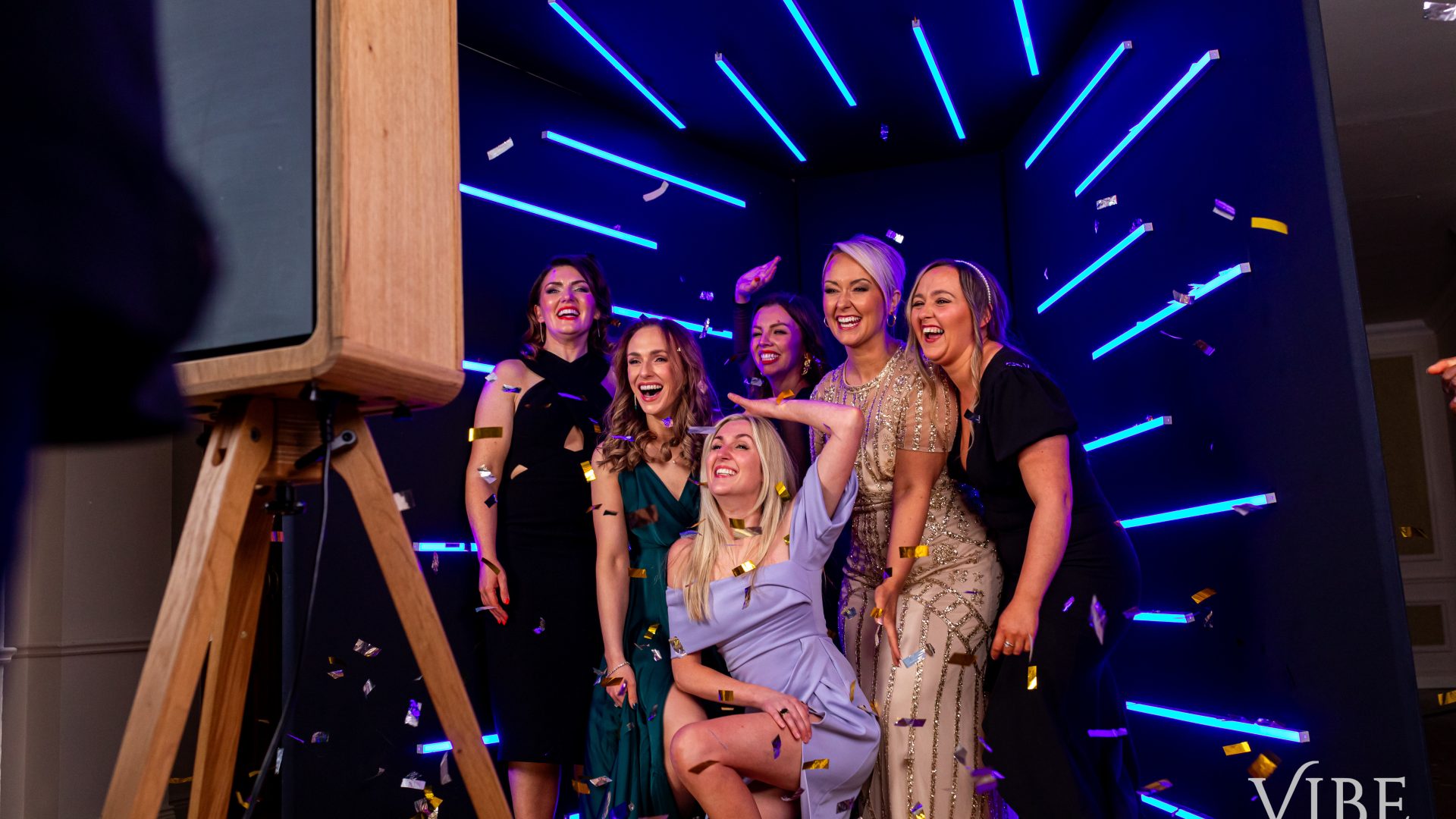
Paid CPMs are up. Organic reach is down. Your brand is paying more to reach fewer people, and the people you do reach are scrolling past in 1.8 seconds.
This is why Ottawa marketing leaders are quietly shifting budget into experiential marketing. Not because it’s trendy. Because the unit economics are starting to make sense in ways paid digital can’t.
The Shift From Digital to Experiential
For the last decade, the easy answer was paid social. Meta and Google would deliver impressions cheaply, attribution was clean, and you could scale.
That’s not the world we’re in anymore.
CPMs across paid social are up roughly 60% from their 2021 floor. Attention spans on feed content are measured in seconds. Attribution has gotten harder, not easier, as iOS privacy changes and signal loss compound.
Meanwhile, the cost of producing a high-quality live activation has come down. AI rendering, mobile capture tech, and instant share infrastructure mean a $15K Ottawa activation can produce share assets at a fraction of the cost-per-impression of paid social.
What Experiential Marketing Looks Like in 2026
The Ottawa brands running serious experiential programs aren’t building one-off booths. They’re building activation frameworks. Reusable creative, repeatable measurement, and a content engine that produces a share asset every time the brand shows up live.
The four formats moving the most weight in Ottawa right now:
AI cover-story booths for B2B conferences and product launches. Guests walk away with a personalized magazine cover that gets posted before they leave the venue.
Mosaic walls for multi-day events at the Shaw Centre or EY Centre. Guest photos tile into a single hero image that grows across the run of the event.
Hardest-shot radar booths for sports activations at TD Place and stadium sponsorships. Sponsor leaderboard, sponsor prize wall, sponsor logo on every shareable photo.
Lenticular portrait walls for galas and film premieres. Physical keepsake that animates as the viewer tilts the card. Drives Stories posts the moment guests get back to their seats.
The ROI Math Marketers Are Actually Using
The cleanest way to defend an experiential line item internally is cost-per-branded-impression. The math:
Activation cost ÷ (guests captured × average shares per guest × average reach per share) = cost per branded impression.
Worked example. A $15K Signature-tier activation in Ottawa captures 400 guests over 6 hours. 60% share to social. Average reach per share is 250 followers. That’s 60,000 branded impressions for $15K. $0.25 per impression — roughly 5x cheaper than Meta paid impressions in the same audience.
That’s before you count opt-ins, leads, or attributed pipeline.
Worked Example: A Beauty Launch in the ByWard Market
A prestige cosmetics brand launching at an Ottawa flagship needed counter traffic plus polished UGC tied to specific shades. They deployed a beauty mirror booth with a magazine-cover printout wrapped to the launch palette.
540 captures across the weekend. 92% print take-home rate. 38% lift in shade-specific sales over the previous launch. 220 organic Instagram posts using the brand hashtag in the following two weeks.
The activation paid for itself in product sales before the marketing impressions were even counted.
When Experiential Beats Digital (And When It Doesn’t)
Experiential wins for product launches, brand-building, sponsorship activation, conferences, and any moment where physical presence is part of the brand story.
Digital still wins for performance marketing at scale, retargeting, and direct-response funnels where intent is already established.
The smart move isn’t either-or. It’s funneling people from your experiential moment into your digital pipeline using the share asset as the bridge.
FAQ
What’s the minimum budget for experiential marketing in Ottawa?
Starter-tier activations begin at $3K. For a brand serious about experiential as a marketing channel, plan $30K-$60K annually across 4-6 activations to build a repeatable framework.
How do you measure ROI on experiential marketing?
The three core metrics: cost per branded impression, opt-in conversion rate, and attributed pipeline (for B2B). Most well-run activations deliver 3-5x return on spend within 90 days.
Is experiential marketing only for big brands?
The opposite. Mid-size Ottawa brands punch above their weight with experiential because it’s a category big national competitors often skip. A well-placed activation can produce more local impact than a much larger paid digital campaign.
Planning an Ottawa activation?
Two ways in:
Get a recommendation in 60 seconds — answer four questions, we send back the right experience for your event.
Book a 20-minute strategy call — for activations over $10K or anything that needs custom build.